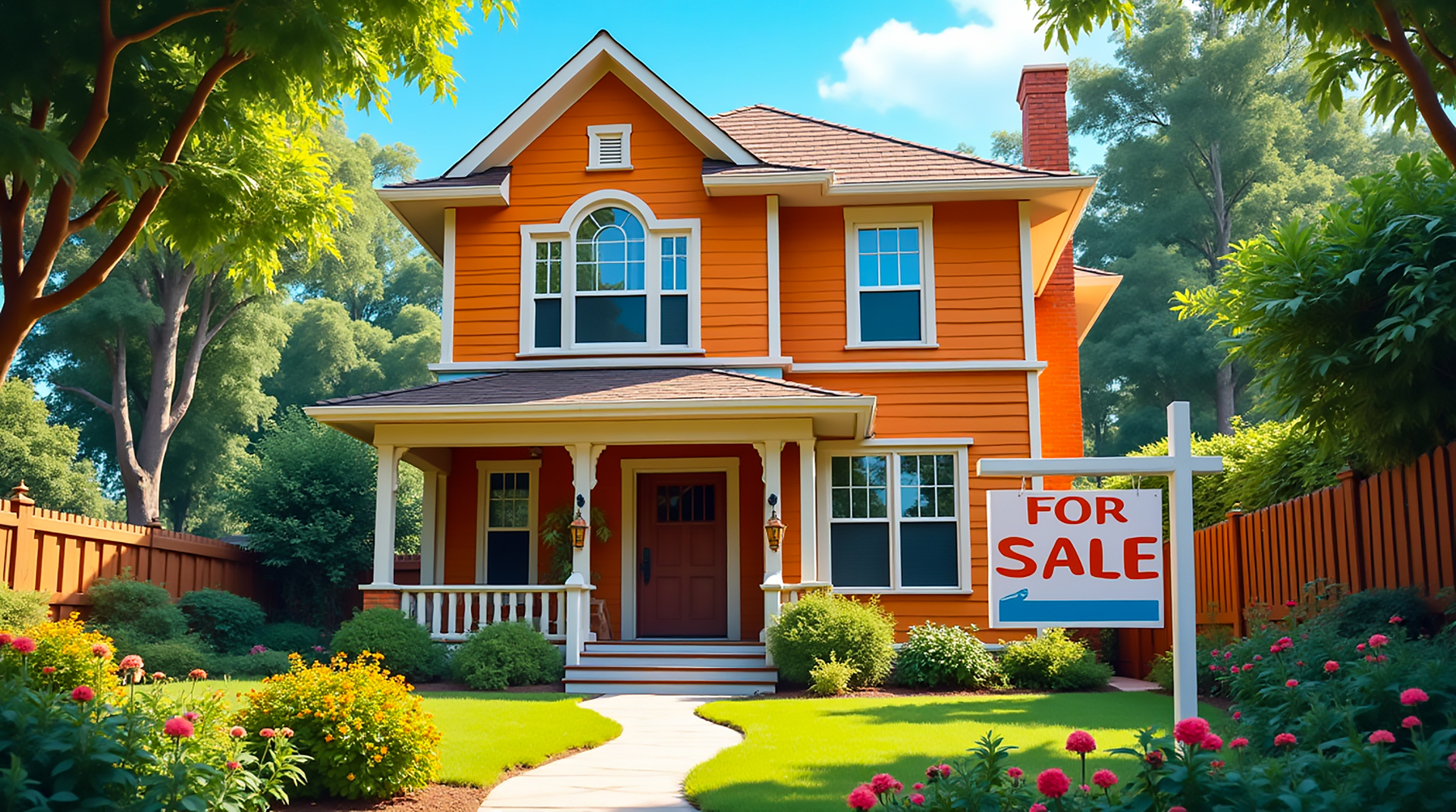
Choosing a home goes far beyond square footage, finishes, and a pretty backyard. It’s about finding a community where you feel safe, supported, and connected. For LGBTQ+ homebuyers, that sense of belonging is often just as important as the home itself. Neighborhoods differ greatly in culture, inclusivity, and resources — and doing your homework before signing on the dotted line can help ensure you’re moving into a place where you truly thrive.
Here’s how LGBTQ+ buyers can check out schools, local hangouts, and the overall community vibe before buying.
1. Research School Options — Even If You Don’t Have Kids
Schools reflect a neighborhood’s values. Whether you’re a parent or not, learning about the school environment can tell you a lot.
What to look at:
- School ratings and academic performance
- Inclusion policies and programs that protect LGBTQ+ youth and families
- LGBTQ+ student groups like GSAs (Gender & Sexuality Alliances)
- Diversity of the student population
- Community and parental involvement
Tools to use:
- GreatSchools.org — reviews, ratings, parent feedback
- Local school district websites
- LGBTQ+ family forums & local parent Facebook groups
- Talking directly with school staff and parents in person
Even touring a school can help you understand how welcoming and supportive the environment is—not just for students, but for families of all backgrounds.
2. Visit Local Spots to Get a Real Feel
Online photos only tell part of the story. Walking around gives you a feel for daily life — who lives there, how people interact, and what the local rhythm feels like.
Places to explore:
- Coffee shops, cafes, bookstores, and weekend brunch spots
- LGBTQ+ friendly bars or community venues
- Parks, dog parks, gyms, and farmer's markets
- Community centers and art spaces
Bring a notebook or type quick impressions on your phone. Do people seem friendly? Are there visible signs of inclusivity (rainbow stickers, Pride flags, inclusive signage)? Are LGBTQ+ friendly businesses present?
If the vibe feels right, you’ll know.
3. Connect With Local LGBTQ+ Communities
Talking with locals gives you insight you can’t get from real estate listings. Ask about safety, events, neighborhood culture, and community support.
Ways to connect:
- Join local LGBTQ+ Facebook groups or Reddit community pages
- Attend events hosted by LGBTQ+ centers or Pride organizations
- Visit community centers and LGBTQ+ owned businesses
- Ask neighbors or store owners about the area
If people are excited to welcome you and share resources, that’s a very good sign.
4. Explore Public Safety and Legal Protections
Safety is always top priority — and unfortunately, it varies by community. Look into:
- Local nondiscrimination ordinances
- Hate crime reporting and protections
- Safety data on City-Data or local police transparency pages
- LGBTQ+ legal advocacy groups and resources in the area
If you're working with an LGBTQ+ affirming real estate agent, they can help guide you to neighborhoods known for safety and inclusivity — without steering, which real estate law prohibits.
5. Spend Time There at Different Hours
A neighborhood can feel very different at 10 AM than it does at 9 PM.
Try to:
- Visit on weekdays and weekends
- Walk around early morning and evening
- Observe traffic, noise, lighting, and activity levels
- See who’s out: families? students? retirees? working professionals?
Getting a full-range impression helps you understand everyday life.
6. Work With a LGBTQ+ Friendly Real Estate Agent
A real estate agent who understands LGBTQ+ buyers will know the right questions to ask and resources to share while respecting fair housing guidelines.
Professionals through GayRealEstate.com specialize in helping LGBTQ+ buyers find safe, affirming communities nationwide. They can point you toward local LGBTQ+ neighborhoods, events, and support networks — and provide knowledge only locals know.
The home you choose is also the life you choose. By doing thorough research, connecting with locals, and exploring a neighborhood in person, you can find a place where you feel confident, supported, and inspired to build a life.
For LGBTQ+ buyers, that sense of belonging matters deeply — and with the right tools and guidance, you can make a move that feels like coming home.