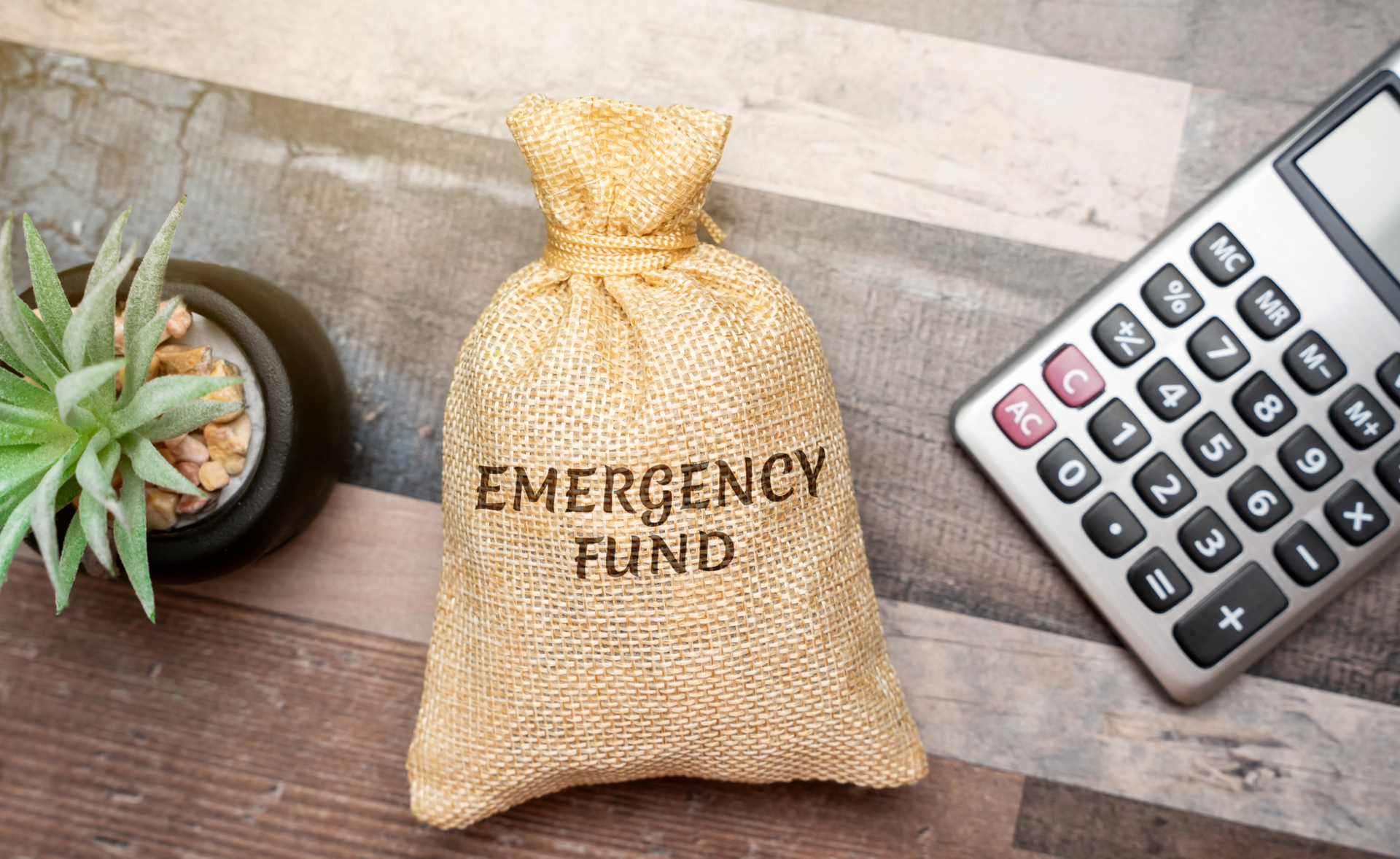
Financial security is one of the most empowering forms of independence, especially within the LGBTQ+ community. While we’ve made enormous strides toward equality, economic challenges and discrimination still persist in subtle and not-so-subtle ways. Whether it’s job insecurity, healthcare disparities, or housing discrimination, LGBTQ+ individuals often face unique financial vulnerabilities that make having an emergency fund not just smart — but essential.
Building and maintaining an emergency fund is one of the most powerful steps you can take toward long-term stability and peace of mind. It’s your financial safety net, ensuring that no matter what life throws your way, you can stay grounded, protected, and in control.
Why an Emergency Fund Matters So Much
For many in the LGBTQ+ community, financial resilience isn’t only about managing bills — it’s about protecting independence and well-being in a world that can sometimes feel uncertain. Having an emergency fund means being able to handle unexpected medical costs, job loss, housing transitions, or family situations without falling into debt or losing stability.
Unfortunately, studies show that LGBTQ+ individuals experience higher rates of economic insecurity due to factors such as wage disparities, lack of family financial support, and inconsistent access to healthcare benefits. These realities make an emergency fund especially important — it’s not just a savings account, it’s a form of self-protection and empowerment.
How Much Should Be in Your Emergency Fund?
Financial experts typically recommend setting aside three to six months’ worth of living expenses in an emergency fund. However, for LGBTQ+ individuals, it’s often wise to aim a bit higher — closer to six to nine months, depending on your personal circumstances.
Here’s why: LGBTQ+ workers are sometimes more likely to face job loss or workplace bias, and those who are self-employed or part of the gig economy may have irregular income. If you don’t have family support or if your safety depends on financial independence, having a larger cushion can provide invaluable peace of mind.
Start by calculating your essential monthly expenses — rent or mortgage, utilities, groceries, transportation, insurance, and healthcare. Multiply that number by six (or more) to find your savings goal. Even if that amount feels overwhelming, remember that every dollar saved makes a difference. The key is consistency and commitment, not perfection.
How to Build Your Fund Step-by-Step
- Start small and automate. Set up automatic transfers to a separate savings account each payday. Even $25 or $50 at a time adds up faster than you think.
- Cut unnecessary costs. Review your spending and identify areas to trim — unused subscriptions, dining out, or impulse purchases can easily redirect funds toward your savings goal.
- Direct extra income. Bonuses, tax refunds, or side gig earnings are perfect opportunities to grow your emergency fund without affecting your regular budget.
- Keep it accessible but separate. Store your fund in a high-yield savings account that earns interest but isn’t too easy to dip into for non-emergencies.
- Review and adjust. Life changes — new jobs, partners, or homes can affect your expenses. Revisit your fund at least once a year to ensure it still meets your needs.
Beyond Savings: Protecting Your Financial Future
An emergency fund is just the foundation of financial security. From there, consider other steps to protect yourself and your loved ones — like creating a will, securing appropriate insurance, and ensuring your partner or spouse is legally protected in financial and medical decisions.
At GayRealEstate.com, we understand that true homeownership and financial freedom begin with stability. Whether you’re saving for your first down payment or planning for future property investments, having a solid emergency fund gives you confidence and flexibility in every financial decision.
Building Safety, Stability, and Pride
Financial safety is an act of empowerment. For LGBTQ+ individuals and families, it’s a way to safeguard your identity, independence, and future. Whether you’re starting small or already saving consistently, what matters most is your commitment to building security on your own terms.
By taking control of your finances and preparing for the unexpected, you’re not just saving money — you’re investing in your freedom, your peace of mind, and the life you deserve.
For more financial and homeownership resources tailored to the LGBTQ+ community, visit GayRealEstate.com